Awakening to discover your camping tent walls damp is a typical camping concern that impacts everyone from backpackers at remote websites to family members appreciating the open airs. This is an outcome of condensation that can bring about mold if left neglected.
While this is an unavoidable occurrence, there are steps you can require to minimize it. By creating air movement and adhering to a couple of basic standards your canvas camping tent will stay completely dry longer.
1. Temperature level
Dampness is an usual camping tent challenge that affects all kinds of campers. It creates when warm air satisfies cooler fabric surface areas, transforming water vapor right into droplets that gather and wet surface areas. The even more extreme the temperature level modification and the higher indoor humidity degrees, the much faster this process takes place.
Outdoor tents owners can proactively address condensation by adhering to easy steps. Cleaning materials routinely and releasing targeted air flow with fans or an all-natural breeze assists prevent moisture accumulation prior to it brings about mold or mold.
Website option also plays an essential duty in condensation control. Set up your tent away from squealing creeks and waterholes, along with in open grassy areas. Keeping your camping tent closer to the ground and further from damp resources boosts air flow and reduces condensation capacity.
2. Humidity
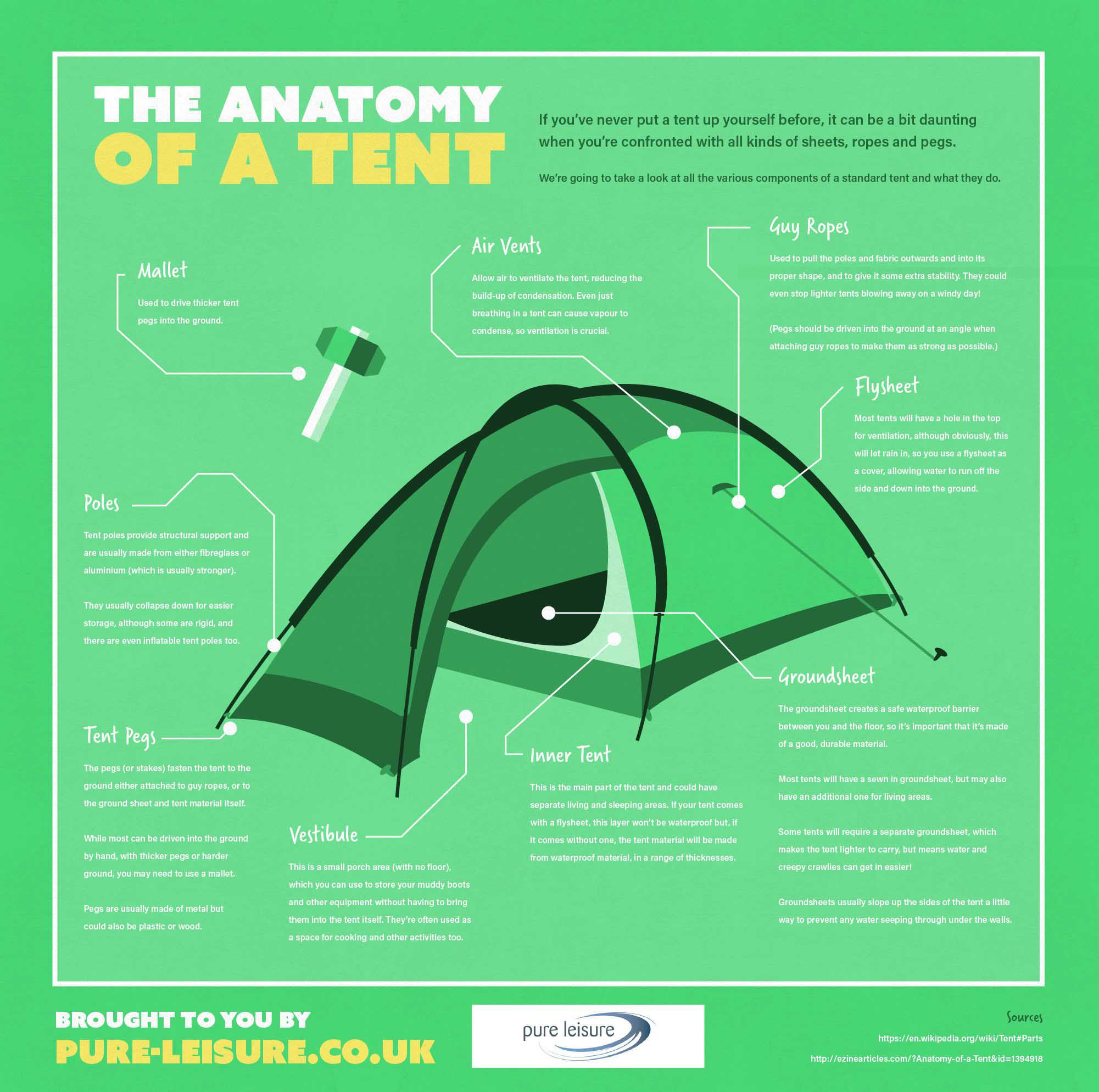
The cozy air inside a tent, tarp or boodle can create wetness that migrates toward cooler fabric surfaces. Water vapor changes into beads as it cools down and if entraped in a limited shelter, this can build up quickly. Residents' breathed out breath, damp apparel and tools, early-morning dew and ground dampness all add to raised moisture levels in a camping tent. Picking campsites with good drainage and putting gear on a dry ground tarp reduces the amount of vapor rising through the camping tent flooring. Opening up vents and windows when feasible enables fresh air to enter and decrease indoor dampness.
Avoid food preparation, consuming and drinking inside your outdoor tents in the evening to limit the amount of dampness airborne. Saving wet clothes, boots or other gear inside the vestibule boosts interior humidity. Drying clothing and equipment before getting in the camping tent protects against condensation from creating while sleeping. Moisture is the gas that mold and mildew prey on, so learning to handle condensation is an important ability for all campers.
3. Airflow
Condensation happens when cozy air comes into contact with chilly surfaces, such as an outdoor tents floor or the underside of a rainfly. Making use of a groundsheet that offers an efficient obstacle between the outdoor tents and damp or cold ground can assist to restrict condensation.
Ventilation also plays a huge function in decreasing condensation. Purposefully opening up the vents, doors, and windows of a tent enables air flow that brings moisture-laden air away from your sanctuary and generates fresh, dry air. The addition of a minor wind enhances this process, as it adds an additional force that helps to move the air around.
Tents and boodles with greater rooflines are better at taking care of condensation since the air is warmer up there and can't come into straight contact with the canvas or rainfly. Picking a breathable textile that withstands condensation is very important as well.
4. Materials
The product made use of to make a camping tent has a considerable impact on its overall performance. Canvas provides unmatched sturdiness and breathability, while polyester uses a lightweight, low-maintenance option that's excellent for mobile or budget-conscious glamping setups. A crossbreed fabric like polycotton supplies a balance in between the very best top qualities of both.
The kind of textile you select additionally depends on your environment and the conditions you'll run into. For example, cotton and polycotton carry out better in hot environments since they're breathable and manage temperature and condensation.